Signs Wildlife Has Moved Into Your Attic, Walls, or Crawl Space
If signs wildlife has moved into your attic, walls, or crawl space, local contractors can identify the problem and safely remove the animals for you.
Discovering signs that wildlife has moved into your attic, walls, or crawl space can be unsettling, but recognizing the early indicators is key to addressing the situation effectively. Property owners in the area might notice unusual noises, such as scratching or scurrying sounds, especially during quiet times or at night. You could also observe signs like droppings, chewed wires or insulation, or even faint odors that suggest animals have taken up residence. Addressing these signs promptly can help prevent further damage and reduce health risks, which is why many local contractors specialize in wildlife removal services to handle these situations safely and efficiently.
If you suspect wildlife has invaded your home, it’s important to understand that professional wildlife removal services are available to assist in resolving the problem. Local service providers are experienced in identifying the species responsible and implementing humane, effective solutions to remove the animals and secure your property. Keep reading to learn more about the common signs indicating wildlife presence and how trusted local experts can help restore comfort and safety to your home.
- Attic wildlife intrusion - when signs wildlife has moved into your attic, local contractors can identify entry points and safely remove animals.
- Wall cavity activity - if you notice scratching or droppings inside walls, service providers can assess and eliminate critters nesting there.
- Crawl space signs - evidence of animal presence in crawl spaces prompts local pros to perform humane removal and seal entry points.
- Unusual noises or odors - persistent sounds or smells may indicate wildlife has settled in hidden areas, with experts providing effective removal solutions.
- Damage or droppings - visible damage or waste buildup suggests wildlife has nested nearby, and local service providers can handle the cleanup and exclusion.
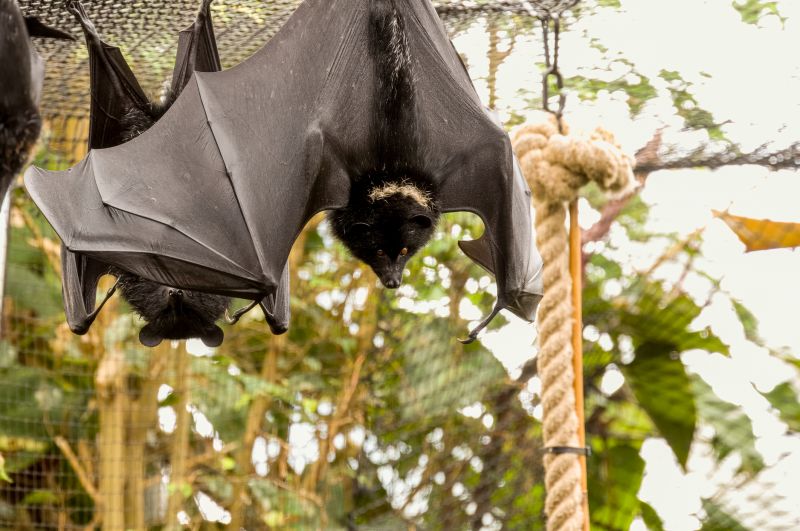
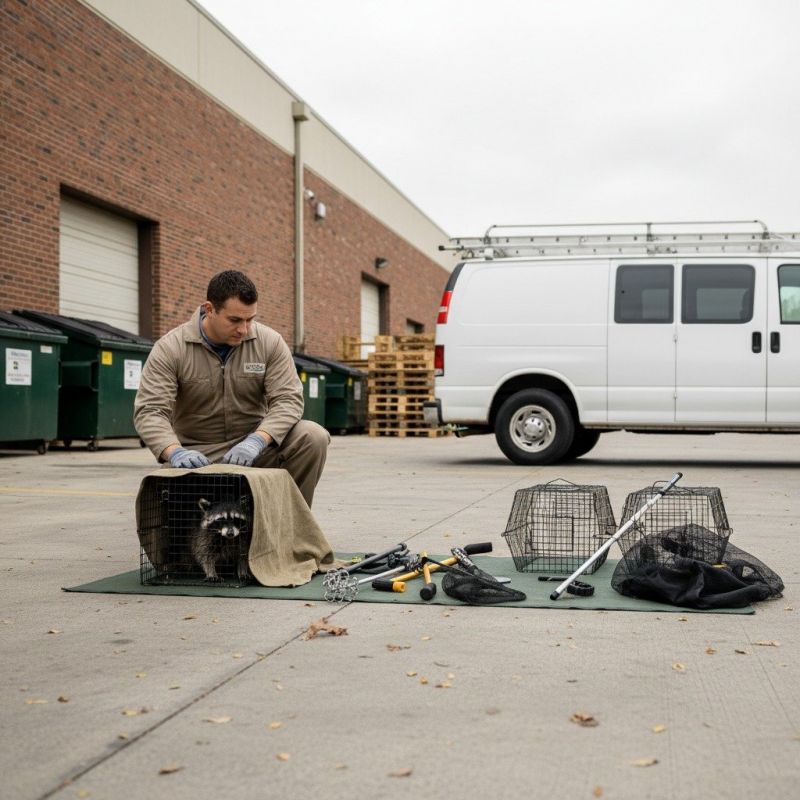
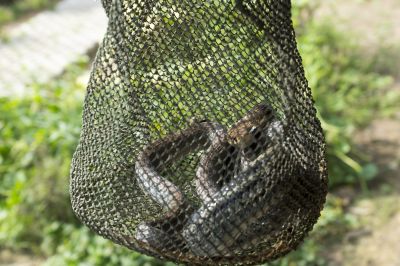
When homeowners notice unusual sounds or disturbances in their homes, they often search for signs wildlife has moved into your attic, walls, or crawl space. This concern typically arises after hearing scratching, scurrying, or thumping noises, especially at night. Visual clues such as droppings, chewed materials, or nesting debris can also point to an animal presence. People may also detect foul odors or see signs of damage to insulation, wiring, or drywall. Recognizing these signs early is important, as wildlife can cause structural damage or create health hazards if left unaddressed.
This topic relates closely to issues involving pest control, property damage, and health safety. Many property owners seek help when they discover animals nesting in hard-to-reach areas, risking further damage or contamination. Wildlife in these spaces can include raccoons, squirrels, bats, mice, or birds, each presenting different challenges. Homeowners often consider removal and exclusion plans, aiming to safely evict animals and prevent future entry. Understanding the signs of wildlife intrusion helps homeowners determine whether professional intervention is needed to handle the problem effectively and humanely.
Properties that typically come up in these situations include older homes with less secure attics, poorly sealed basements, or crawl spaces that provide easy access for animals. Rural or suburban properties are often more vulnerable due to proximity to trees, fields, or wooded areas where wildlife naturally resides. Commercial buildings, especially warehouses or barns, can also experience similar issues. In all cases, identifying the presence of wildlife early can save property owners from extensive damage, costly repairs, and ongoing health risks, making professional removal services a practical step.
Local wildlife removal service providers specialize in addressing these issues safely and efficiently. They are experienced in inspecting properties for signs of animal activity, identifying entry points, and implementing exclusion methods to prevent re-entry. These professionals can also advise on how to restore damaged areas and ensure the property remains wildlife-proof. Connecting with local contractors ensures that the job is handled by experts familiar with regional wildlife behaviors and property types. This approach provides homeowners with peace of mind, knowing that experienced service providers can resolve the problem and help maintain a safe, animal-free home environment.
Attic insulation installation - professionals skilled in installing or repairing insulation can help prevent wildlife from nesting in your attic and identify entry points used by animals.
Structural repairs and sealing - local contractors can seal gaps, vents, and openings in walls or crawl spaces that wildlife may use to gain entry into your home.
Pest proofing services - experts in pest proofing focus on blocking access points and safeguarding your property against future wildlife intrusions.
Exclusion and removal services - wildlife specialists who can safely remove animals from attics, walls, or crawl spaces and prevent re-entry with exclusion methods.
Damage repair and restoration - contractors capable of repairing structural damage caused by wildlife activity, including insulation and drywall repairs.
Inspection and consultation services - professionals who assess signs of wildlife presence and advise on effective removal and prevention strategies.
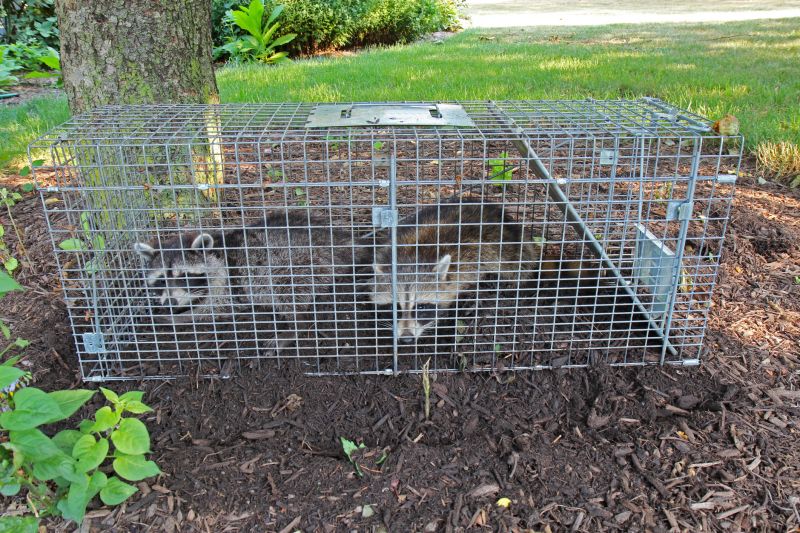
When comparing wildlife removal service providers, it’s important to consider their experience with similar projects involving signs wildlife has moved into your attic, walls, or crawl space. Service providers who have handled a variety of wildlife intrusion cases are more likely to understand the nuances of different species and the most effective removal techniques. Asking about their past work can help determine if they have a history of successfully addressing situations like yours, ensuring that the wildlife is removed safely and efficiently.
Clear written expectations are essential when selecting a wildlife removal contractor. A reputable service provider should be able to outline the scope of work, including inspection procedures, removal methods, and follow-up measures. This transparency helps prevent misunderstandings and ensures that homeowners are aware of what services will be provided. Having a detailed plan in writing also allows for better comparison between different providers and can serve as a basis for evaluating the professionalism and thoroughness of each candidate.
Good communication and reputable references are key factors to consider when choosing a wildlife removal specialist. Service providers who communicate clearly and promptly demonstrate professionalism and a commitment to customer service. Additionally, requesting references or reviews from previous clients can provide insight into their reliability and the quality of their work. Connecting with those who have experienced similar wildlife issues can help gauge how effectively a contractor manages the removal process and addresses homeowner concerns, leading to a more confident decision.
Property owners often search for signs wildlife has moved into your attic, walls, or crawl space when they are planning practical projects around their homes and businesses. Local pros provide Wildlife Removal services for everyday jobs and straightforward project options.
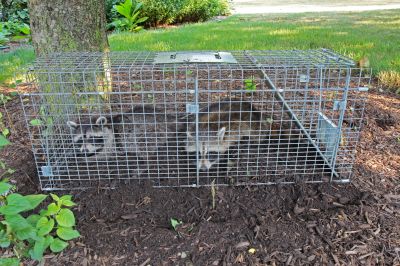
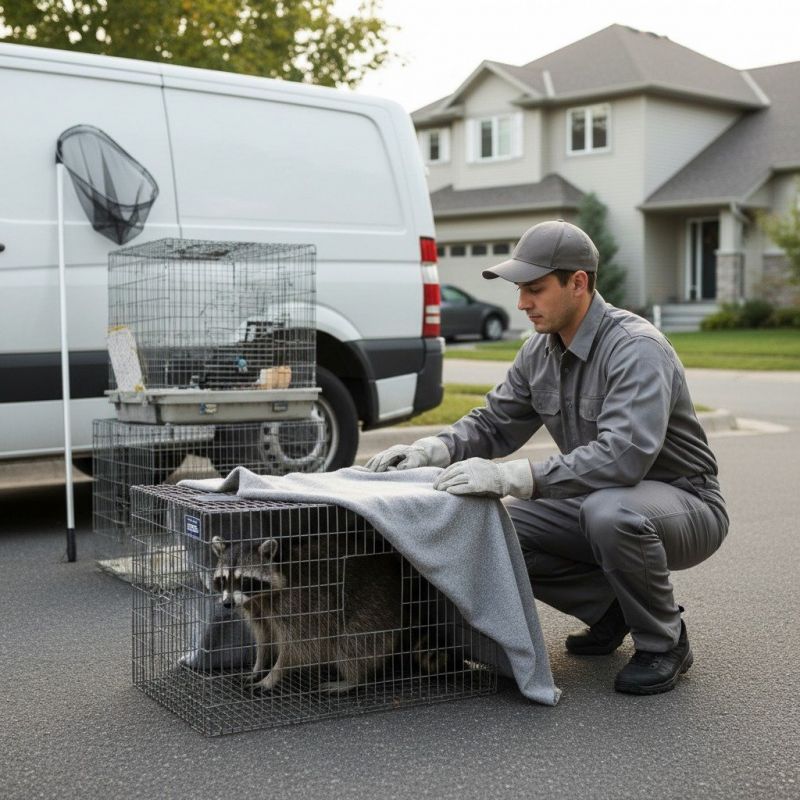
Noticing unusual sounds or odors coming from the attic, walls, or crawl space can be a common sign that wildlife has moved into your property. Property owners in the area might find chewed wires, droppings, or nesting materials, which are clear indicators of animal activity. These signs often appear during routine home inspections or when performing maintenance tasks, prompting a need to evaluate whether wildlife has taken up residence and if professional removal services are needed to address the situation safely and effectively.
In many cases, visible damage to insulation or structural components, along with the presence of small entry holes or gaps, can point to an animal invasion. Homeowners might also notice an increase in pest-related issues or strange noises at night. When these signs are observed, it’s advisable to seek the expertise of local contractors experienced in wildlife removal. They can assess the situation, safely remove the animals, and help prevent future intrusions, ensuring the property remains secure and free of unwanted wildlife.
What are common signs wildlife has moved into your attic, walls, or crawl space? Unusual noises, such as scratching or scurrying sounds, along with droppings and nesting materials, are typical indicators that wildlife has taken residence in these areas.
How can I tell if animals are active inside my walls or attic? Visible damage like chewed wiring, holes, or insulation disturbance, combined with foul odors or sightings of droppings, can suggest animal activity within your home’s hidden spaces.
Are there specific signs that indicate a wildlife infestation in my crawl space? Signs include increased animal activity, droppings, nesting debris, and the presence of tracks or footprints around entry points to the crawl space.
What should I do if I notice signs wildlife has moved into my home? It’s recommended to contact local contractors who specialize in wildlife removal to assess the situation and safely handle the removal process.
Can wildlife living in my home cause damage or health issues? Yes, animals in these areas can cause structural damage and pose health risks through droppings, urine, and potential transmission of diseases, making professional removal important.
Identify unusual noises - listening for scratching, scurrying, or thumping sounds can help property owners recognize wildlife presence early, prompting timely removal services.
Check for droppings and nesting materials - spotting droppings or nesting debris in attics or crawl spaces indicates wildlife has taken up residence, and local contractors can assist with removal and cleanup.
Inspect for signs of chewed wiring or insulation - damage to electrical wiring or insulation may signal wildlife activity, making professional assessment and removal essential to prevent hazards.
Look for entry points and damage - noticing holes, gaps, or chewed areas around the exterior of the home can guide property owners to seek wildlife removal services from experienced service providers.
If you are thinking about signs wildlife has moved into your attic, walls, or crawl space for a property, this guide is meant to help you understand this topic, the typical project types, and how different options might fit your plans.
When you are ready, you can use the quote form on this page to share a few details about your project. From there, local pros can review the basics and follow up with options that match what you have in mind.